Showing posts with label starch. Show all posts

Saturday, February 07, 2009

Pangrattato


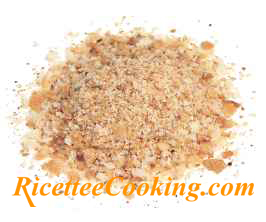
Have been thinking lately about pangrattato, the Italian way of frying breadcrumbs with garlic and olive oil to make a crispy light topping for pastas and bakes. The Silver Spoon has this recipe, which contains my favourite ingredients: pasta, anchovies, garlic and olives.


Spaghetti with breadcrumbs


  • 2 salted anchovies

  • 5 tbsps olive oil

  • 1 tbsp rinsed capers

  • 8 black olives, stoned and halved

  • 80g breadcrumbs

  • Half a garlic clove, chopped

  • 350g spaghetti

  • salt and pepper

Heat 2 tbsp of oil in a pan and add anchovies. Cook, mashing with wooden spoon, until they have almost disintegrated, then add capers and olives and season with pepper. In a bowl, mix breadcrumbs, garlic and a pinch of salt. In a separate small pan, heat the remaining oil and fry the breadcrumb mixture, stirring frequently, until golden. Cook the spaghetti in salted boiling water until al dente, then drain and return to the pan. Add anchovy sauce and stir. Transfer to a serving dish and sprinkle with the pangrattato.

Sunday, November 09, 2008

Pilaf

This is the pilaf I've made so may times that I can nearly do it without looking now! It's a very savoury, rich and delicious rice dish that goes great with Moroccan and Middle-Eastern food. It can pass as Indian in a pinch (and much less cooking time than you need for the real biryani) and it travels well and needs no refrigeration, so also great for pot-luck dinners, picnics, etc. I like to leave the cardamom pods and cinnamon sticks arrayed across the top of the dish for decoration, but take them out if you're worried someone might start munching away. If you need cardamom, cinnamon, pine nuts, ground cloves and basmati all in one place, All India Foods is the spot.

Pilaf (serves 4, but it's really good so that might be stretching it)

  • 1 and a quarter cups basmati rice
  • 100g butter
  • Quarter cup extra virgin olive oil
  • 1 large white onion, finely chopped
  • 75g whole blanched almonds
  • 50g pine nuts
  • 5 black cardamom pods, whacked with a rolling pin to bruise them (you can use green ones)
  • 1 cinnamon stick, broken
  • half a teaspoon freshly ground black pepper
  • 100g currants
  • 600ml chicken stock ( I use Knorr powder)
  • half a teaspoon ground cloves
  • half a teaspoon salt (optional)

Wash the rice very well under running water until water runs clear. Leave it to drain thoroughly. In a large heavy-based saucepan with a tight fitting lid, warm half the butter with the olive oil over a medium heat. Add onion, cover, and cook for 5-7 mins or until translucent but not coloured. Increase heat slightly, add nuts, cardamom and cinnamon, and cook for 3-4 mins, stirring constantly, until nuts are lightly browned and spices are fragrant. Remove from heat. Stir in the pepper and currants.

Meanwhile, heat the stock to a simmer. Add the rice to the onion mixture and stir well to coat the grains. Add the hot stock, cloves and salt if using. Stir once and bring to the boil, then cover and cook for 3 minutes. Puffs of steam may be visible. Reduce heat to low and cook, still covered for another 10 minutes.

Take pot away from the heat. Remove lid, cover the pot with a clean tea towel, replace the lid and set aside for 10 minutes. Toss the pilaf with a fork and stir through the remaining butter.

Friday, October 03, 2008

Hot chips

I followed David Herbert's recipe to the letter. I even got a digital thermometer to get the oil temperature spot-on. The basket did a great job, too.


Here are my hot chips, after the first fry.


Here's the basket, working hard.


And here's the finished product. I still say they are too dark. Maybe I should ask David about that: must try again and get it right.

I served the chips with a vinaigrette salad, homemade aioli and some snapper that I skinned, crumbed and baked in the oven. Good.

Sunday, September 21, 2008

Spotted dick


Ha ha, yeah, it's hilarious. At the British Lolly Shop in Kings Cross, the lovely owner let me take a photo of this can of spotted dick, imported from the UK alongside lots of other drygoods, cereals, puddings and teas. Plus all the lollies.
Wikipedia says that the pudding is also known as:

  • spotted dog
  • plum duff
  • steamed dicky
  • figgy dowdy
  • dotted lloyd
  • packphour's lament (what the hell?)
  • biff togger
  • Haverford lumps
  • nuns in a criddle
  • Dicky Widmark
  • plum bolster
  • A DD (Dotted Dick)
  • slattern's bonnet (Ooh, I like that one)
  • Spotted Richard
  • Dickie Burton

"Time fo' a spot of Dicky Widmark, mum? Dotted lloyd? I'll make us a noice cuppa."

I wasn't quite ready to buy the tin and inspect its contents, for if I were to try a spotted dick I'm sure I'd prefer to make it at home rather than go the commercial tinned route. For now I'll savour my picture of slattern's bonnet and dream of what might have been.

Two Sydney bakeries


Brasserie Bread and Sonoma. Both great. I would choose Brasserie over Sonoma for range of loaves, but Sonoma for ease of access and a ready-made lunch. The sandwiches in the glass case were mouth-watering.

Sunday, July 13, 2008

Cheat's congee


Yah, cheated. I know zero about making a proper congee: I only know that I love it to death and if I could have breakfast congee every day for the rest of my life, I would die a happy woman. A happy, starch-filled woman. On the rare occasions that I get to breakfast in an international location, I always zoom straight for the congee with various pickles / kimchi / dumplings / prawns / chili sauce. Optimal zen moment.


So when there was some leftover cold rice sitting in the fridge last week, a rare instant of pre-coffee clarity saw the idea of congee pop into my mind. Cheater's congee. And it was truly awesome.

Cheat's congee
  • 1 cup cold cooked rice
  • chicken stock

  • 1 egg

  • chili oil

  • sesame oil

  • light soy sauce
  • chopped shallots

  • shredded nori / dried shiitake / dried shrimp / pickles / other condiments

Mix rice and enough chicken stock in a saucepan to make the rice gloopy. Bring to the boil and cook for about 5-10 minutes or until rice is thick and not too drippy. Break the egg over the rice and stir to cook the egg and break it up. Transfer the lot to a deep bowl and add shallots, soy sauce, flavoured oils and flavourings to taste.

Sunday, May 25, 2008

Sticky Asian pork with jasmine rice


Really, the only complicated part is getting the right ribs. The ones you need aren't ribs at all: they're also known as pork belly. It's the boneless strips of meat from the undercarriage of the pig. If you get the ones that look like ribs, with the rows of bones in them, that's fine, but they are not very meaty and they won't work for this particular dish. They need a strip of crackling along the top.

Sticky Asian pork with jasmine rice (feeds 3)

  • 1 or 2 ribs per person
  • 2 tbsp hoisin sauce
  • 2 crushed cloves of garlic
  • 1 tbsp peanut oil
  • 2 tsps Chinese five-spice powder
  • Half a tsp of chili powder (optional)
  • 1 cup of jasmine rice
  • Shallots
  • 4 oranges or mandarins

Mix together the garlic, powder(s), hoisin and oil. Squeeze one or the oranges or mandarins and add to the mixture. Keep the two squeezed halves. Coat the pork thoroughly in the mixture and leave for an hour or so, or as long as overnight. When ready to cook, preheat oven to 200C. Squeeze the remaining fruit and arrange the eight halves on a baking paper-lined oven dish, round side up. (Enjoy the fresh juice!) Drain the pork. Sit the pork strips on the fruit, skin-side up. Sprinkle the skin with a tiny bit of fine salt. Bake for about 25 minutes or until skin is crispy and pork is cooked through.

Meanwhile, wash the rice well. then put the rice and 1 and a half cups of water into a saucepan. Bring to the boil, cover, simmer for 8 minutes, turn off heat, leave with lid on for at least 5 to 6 minutes. Stir through the finely sliced shallots.

Saturday, April 19, 2008

Ham and cornichons on San Franciscan sourdough

Mmm. Inspired by a recipe in Pork & Sons by Stephane Reynaud: he says to build it on a French baguette (of course) and to chop the cornichons and smush them into the butter, so they don't fall off when you eat it.


Mine is the deconstructed version. Good bread, good butter (unsalted), tiny gherkins, good quality ham off the bone, the end.

The San Franciscan sourdough comes from the bakery at Rock n' Roll Marketplace, Logan Road, Greenslopes. It's chewy and really SOUR, which is probably a desired quality in a sourdough.

Look how the top of the bread is dark and smooth, yet finely pocked like the cratery surface of the moon.
This is the kind of lunch I really like to eat.

Monday, April 14, 2008

Kim Thanh's pork salad roll


One of the best instant sandwiches in town. And they make it to order. Kim Thanh Vietnamese Bakery is on Vulture St at West End, near the intersection of Vulture and Boundary. Just down and opposite Hong Lan.

The pork salad roll is about $3.70, for a white crispy long roll, juicy pork, grated carrot, coriander, herbs and special spicy sauce.

I have to admit, though, that the one I got today was slightly lacking in the cori department. I had to stuff some more in there before scoffing it for lunch.

Saturday, April 12, 2008

Spinach and ham omelette with homemade toast

Finely chop some baby spinach leaves and add to two beaten eggs and a splash of milk. Pour into your omelette pan over a very low heat and allow to just set. Meanwhile, layer over the top of the omelette some more spinach leaves (whole), some slices of ham off the bone, and some cubes of mozzarella. Fold over the omelette.

I used the homemade bread to make some toast to go with it, and I also added some dried olives on the side (from Pennisi's.)

Friday, April 11, 2008

Bagels

Craving a real bagel. You know what I mean. Does anyone know where to get a good bagel in this town?

Dough Day: bread and pizza

I've been asked by a couple of dough novices to teach them how to make bread and pizza bases. Gee, that means I better not have one of my disastrous dough days. I better get it right.
They are providing the bread recipe and ingredients: I am doing the same for the pizza. Will report back.

***update
It went well! It ended up only being one novice instead of two. so fine either way. We made Jamie's basic bread recipe from this month's delicious, and my original pizza dough recipe based on Donna Hay.

It was a lovely clear crisp afternoon, so perfect for some baking, kneading and tea-sipping. The bread recipe was a big hit. I don't really bake my own bread much, because I don't have a good recipe and previous attempts have ben very blah. But I am going to buy that copy of delicious, just for Jamie's bread recipe. It came out chewy and very Italianate, quite dense, but also light, pale and flexible. And it was quick to prepare too. Apart from the wrist-breaking knead session, the whole thing was relatively painless. It made us two medium-sized loaves and six fat rolls.
The pizza dough was a cinch after that. So soft and yielding... we made six plain bases, rolled them out, stacked them between sheets of baking paper, wrapped the whole pile in tinfoil and froze it. Ready-made pizza bases, ready to go. And not a preservative in sight!

Lots of fun. I need to get back into kneading, asap.


Saturday, March 01, 2008

Walnut and lemon fettucine

I've seen this done in a similar way, with the walnuts crushed finely and using a creamy sauce to bind the lot together. The walnut and pasta combo seems to be a regional Italian thing: I find it outstandingly delicious. My version removes the cream and is easy and satisfying. Lovely comfort food.

Walnut and lemon fettucine (serves 1-2)

  • dried fettucine


  • big handful shelled walnuts, left whole or roughly chopped

  • thyme leaves

  • 1-2 rashers of bacon, trimmed and chopped

  • Maldon salt

  • Grated or sliced lemon zest (half a lemon's worth)

  • olive oil
  • 1 small red chili, deseeded and chopped
  • 1 garlic clove, crushed

Boil some salted water for the pasta. Meanwhile, fry the bacon and walnuts together over medium heat in some olive oil. Add the zest, garlic and chili, lower the heat and stir together. Cook over low heat for a few minutes, to take the raw edge off the chili and garlic. When the pasta is almost al dente, drain, reserving about 20mls of the cooking water. Add the pasta and the water to the pan and stir over low heat until totally combined. Season with the salt and lots of fresh thyme leaves.

Sunday, February 03, 2008

Pork ravioli

Made pork ravioli a few weeks ago. It was pretty good: I was pleased with the result. Here's what I did:
The pasta sheets.
The filling:


  • 300g lean pork mince

  • 3 crushed garlic cloves

  • splash of white wine

  • 50mls pure cream

  • salt and white pepper

  • fresh basil leaves

  • splash of verjuice

Brown the mince in a pan with the garlic. Add the wine and cook until it is mostly evaporated. Cool, and transfer to a food processor. Add the cream gradually and process until mixture is smooth and still not too wet. Add basil leaves and salt and pepper to taste: process. Add verjuice only if the mixture is too bland. It can't be too flavoursome though.

Cut your pasta sheets into medium-sized rectangles. Put a blob of mixture on one end: fold over and pinch the sides to seal. Flour them well and refrigerate until dinnertime. When you're ready to go, boil up a giant vat of salted water. Insert ravioli in batches, stirring so they don't stick together. They should take about 8 minutes or a bit less.

Drain well and serve up immediately. I made a quick sauce of brown butter and sage leaves to toss the ravioli in.

Friday, January 25, 2008

My favourite ever tomato salad

Tomatoes are so great. But only the good tomatoes: not those hard cold pale ones at the supermarket (and that according to the font of all knowledge, I mean Today Tonight, might have been picked and in storage for up to a YEAR) that taste like nothing. We have recently started growing our own little tomatoes, and nothing beats the beautiful old-timey scent of a fresh tomato stalk. It's enough to make you pack it all in and become a full-time grower.


Anyway, my favourite ever tomato salad is thus. It must be made with primo tomatoes, nothing less. Farmer's markets quality, home-grown, gourmet organic, whatever. The tomatoes must be burstingly ripe, red as red, with that tomato-smell all over them. The basil must also be primo, freshly torn, not chopped. Without great ingredients, I would never make this salad. There's nothing here to hide a shoddy ingredient with.

Combine chopped tomatoes, basil leaves, a little crushed garlic, olive oil and smashed rock salt in a bowl, in the quantities you prefer. Leave for fifteen minutes to infuse and build flavour.

Can be spread on bread, like bruschetta; mixed with fresh hot penne and left to cool for a fabulous pasta dish, or used as a base for something else. I sometimes have a tomato salad bed on a plate and then top it with some grilled chicken.

Monday, January 21, 2008

Penne puttanesca

Had to post this recipe today, after a request from a friend. Puttanesca: whore's pasta. Says the font of all knowledge:

The name originated in Naples after the local prostitutes,
Pasta alla Puttanesca meaning "Pasta in the way a whore would make it". The
reason why the dish gained such a name is debated. One possibility is that the
name is a reference to the sauce's hot, spicy flavour and pungent smell. Another
is that the dish was offered to prospective customers at a low price to entice
them into a brothel. According to chef Jeff
Smith
of the Frugal Gourmet, its name
came from the fact that it was a quick, cheap meal that prostitutes could
prepare between customers.
A more thorough story about this dish comes from
Diane Seed in her book, Top 100 Pasta Sauces. She says:


My introduction to this famous pasta dish occurred when I overheard two elderly priests discussing the pros and cons of Spaghetti alla Puttanesca ("Whore's spaghetti") as they deliberated over the menu in a Neapolitan restaurant. Made of ingredients found in most Italian larders, this is also known as 'Spaghetti alla Buona Donna' - or 'Good Woman's Spaghetti' - which can be misleading if one is not familiar with the ironic insult 'figlio d'una buona donna' - son of a good woman.To understand how this sauce came to get its name, one must consider the 1950s when brothels in Italy were state-owned. They were known as case chiuse or 'closed houses' because the shutters had to be kept permanently closed to avoid offending the sensibilities of neighbors or innocent passers-by. Conscientious Italian housewives usually shop at the local market every day to buy fresh food, but the 'civil servants' were only allowed one day per week for shopping, and their time was valuable. Their speciality became a sauce made quickly from odds and ends in the larder.

Very well then. We used to have this dish at The Spaghetti House in Port Moresby (see here.) I have to say that Giuliano Hazan's recipe, the one I use, doesn't contain chili: I usually put it in though, either as crushed dried chillies or fresh chopped. Other personal preferences: I like penne rigate, not spaghetti, as I find it picks up more sauce and is robust to match the sauce. I usually also add torn basil leaves to serve.

Penne Puttanesca (serves 6)

  • 100ml extra virgin olive oil, plus a bit more
  • 500g packet dried pasta (see above)
  • 6 chopped anchovies out of a tin or jar
  • 1 tsp finely chopped fresh garlic (or more if you want)
  • 2 tins tomatoes (get the diced ones, or get the whole ones and dice them up yourself)
  • 2 tablespoons capers
  • 1 tablespoon fresh oregano or 1 tsp dried oregano
  • about 10 black olives (you can take the stone out if you want)

Put the oil and anchovies in a big frying pan or saucepan. I use my Le Chasseur pan. Cook over low heat, stirring with wooden spoon, until the anchovies dissolve. Add garlic and cook for about 15 seconds, not letting it brown.

Increase the heat to medium-high and add tomatoes, plus the juice from the cans, and a tiny pinch of salt. When it boils, turn it down and simmer until tomatoes have reduced and separated from the oil. This takes 20-40 minutes, depending on how big your pan is.

Remove from heat, set aside. Cook pasta in boiling salted water. When pasta is halfway done, reheat the sauce. Add the oregano, capers and olives. When pasta is cooked, drain it and toss it together with the sauce in the pan over a low heat. Add one more tablespoon of olive oil and toss. Tip the whole thing into a heated serving bowl and serve it straight away while it's really hot.

If you wanted to do more, you could make a plain green salad to go with it. I would say a full-bodied red wine or an icy cold lager to go with it. Garlic bread could be nice too if that's your thing.

Saturday, January 19, 2008

Beef and couscous summer salad


Seems like I'm all about salads right now. Salads and ciabatta; but I'm trying to lose the bread and increase the foliage. This was made with some leftover grilled rump steak, cold, the next day. I sliced it thinly, added torn butter lettuce, flat-leaf parsley, basil, lemon juice, olive oil, cooked couscous, and a gremolata of lemon zest, chili and grated garlic. Salt and pepper to finish. With a huge glass of icy water with a lemon slice floating in it. Refreshing!

Jamie Oliver's lamb kofta kebabs with onion salad, grilled corn and couscous

These were really good. From Jamie at Home. I made the kebabs as instructed, but changed the rest of it.


The kebabs were a mixture of lamb mince, pistachios, sumac, crushed chili, salt, pepper and cumin powder. You smash the lot together in the food processor, then mould it around skewers. (I used wooden skewers, but just be sure to soak them in water for a while first so they don't burn.)

I grilled the koftas on my humumgous Le Chasseur grill pan. A heavy frying pan would be fine, too. Jamie cooks his in the coals of a barbecue: I will try this if and when I get the outdoor barbecue I want.

(Note: I want a pit full of rocks with a grill over the top that everyone can sit round and stare at glowing embers and roast marshmallows. None of this gas-fired, temperature-controlled pansy work).

They don't take very long at all to cook. I had mine done medium-rare: still tender and juicy inside, with a tinge of pink in the middle. Meanwhile, the salad was just finely-sliced red onion marinated in lemon juice for five minutes, and torn basil leaves. I also made some plain couscous, and corn cobs wrapped in husk pieces and then in tin foil. I grilled the cobs on the grill pan with the koftas.

Maybe the only thing that would have been good with this might be some plain Greek-style yoghurt.

Tuesday, January 15, 2008

Clementine clafoutis


It's one of those wacko fruits that we don't see much in Queensland, or ever. But I really wish we did. Wikipedia says:


A Clementine is the fruit of a variety of mandarin,
(Citrus reticulata), named in 1902. The rind is of medium
thickness; moderately firm, but easily peelable and does not puff until well
after maturity. Smooth and glossy surface of color deep orange to
reddish-orange. Flesh color deep orange; tender and melting; 8 to 12 juicy
segments; flavor sweet. The Clementine is not always distinguished from other varieties of mandarin: in German, it is generally referred to as "Mandarine". However, it should not be confused with similar fruit such as the satsuma, which is
another name for the Japanese mikan, and is another popular
variety. The clementine is occasionally referred to as Algerian
tangerine.

Known for its low total heat requirement for fruit maturity
and the sensitivity of the seedless fruit to unfavorable conditions during the
flowering and fruit-setting period; in regions of high total heat, the
Clementine matures very early—only slightly later than the satsuma mandarins.
Such regions also favor production of fruit of maximum size and best eating
quality. As a consequence, Clementine is without doubt the best early variety in
the Mediterranean basin, particularly in North Africa, and in other regions of
similar climate.

I have lovely happy memories of buying 2-kilo bags of fresh sweet clementines at the local markets in France, for what seemed like months on end. They were perfect: better than any mandarin I've ever had in Australia. None of that floury, square, loose-skinned, bitter, hard-insides thing going on. None of that loaded-with-pith thing either. The clementine skin was easier to peel than an orange, but more difficult than a normal mandarin. The flavour was indescribably delicate and with very little acidity. Anyway, I went through a bag a week, and when the last one was eaten, I was counting down the hours until Saturday morning when I could get back to the fruit guy in the market square for my clementine fix. They must have thought I was totally nuts.

Meanwhile, clafoutis are great too. Basically, it's a French traditional enriched pancake batter that you pour over fruit pieces and bake in the oven. The result can be custardy and comforting, or cakey and rich. Usually it's done with cherries (and I better get on with it while cherries are so cheap and good), but the below American recipe does it with the ole' clementine. Really, this is impossible to make in Queensland, but I'm going to use either cherries or another seasonal stonefruit. Probably plums. Yellow peaches might be a goer too. Or strawberries. The important thing is to make sure you have lots of fruit and that it is perfectly ready to eat. The dish should be filled to almost-full with fruit, and then the batter is poured over and settles around it. Too much batter equals a povvo clafoutis.

It needs to be served either at a lavish breakfast, or as the showpig dessert after a simple French bistro-style dinner, dusted with sugar and served with thick cream for those who would care for it I would say definitely no icecream.
Clafoutis are rustic and homely. Traditionally they would be baked in a cast-iron skillet, in a slow oven, while the rest of the meal was being eaten. I've seen this done in small individual ramekins, but in my mind that is just twee posturing, and an insult to what a true clafoutis can be, puffed up majestically in its oven dish, golden brown and enormous, studded thickly with gorgeous fruit, sailing along in a sea of its own awesomeness and saying: "Behold my glory, underlings!!"
At which point you attack it with a spoon.

Clementine clafoutis (serves 6)

Butter as needed
1/2 cup flour, more for dusting pan
3 eggs
1/2 cup granulated sugar (I'll use caster)
Pinch salt
3/4 cup heavy cream
3/4 cup milk
5 to 15 clementines, peeled and sectioned, about 3 cups
Powdered sugar (icing sugar)

1. Heat oven to 350 degrees. Prepare a gratin dish, about 9 by 5 by 2 inches, or a 10-inch round deep pie plate or porcelain dish, by smearing it with butter, just a teaspoon or so.
(My note: Whatever, but use a shallow dish rather than deep, so that the mixture cooks through before browning).
Dust it with flour, rotating pan so flour sticks to all the butter; invert dish to get rid of excess.
2. In a large bowl, whisk eggs until frothy. Add granulated sugar and salt and whisk until combined. Add cream and milk and whisk until smooth. Add 1/2 cup flour and stir just to combine.
3. Layer clementine sections in dish; they should come just about to the top. Pour batter over fruit to as close to top of dish as you dare; you may have a little leftover batter, depending on size of your dish. Bake for about 40 minutes, or until clafoutis is nicely browned on top and a knife inserted into it comes out clean. Sift some powdered sugar over it and serve warm or at room temperature. Clafoutis does not keep; serve within a couple of hours of making it.

Monday, January 14, 2008

Lasagne: a dream remembered

Yeah, my first lasagne ever. All I could think about the whole day was Garfield, and the fact that I spent my entire life from ages six to thirteen reading Garfield comics and trying to match my personality to his. I would tuck the doona around my face just like he does, grumbling about how sucky it was to have to get up and actually go to school. Mum eventually gave in to my requests for lasagne and as I recall, it was a momentously exciting day. The careful stirring, the new concept of white sauce, the grating of the cheese, the whole circus. The laborious assembly, the tasting of the meat sauce (to check for poison, you understand), the baking, and then the beautiful ritual of placing the straight-from-the-oven lasagne, fragrant and cheesy, onto the table before a hungry family. I can't remember having it again at home.

Strange that I never made lasagne myself until this day, many years later.
And it was just as special as I remembered, and wanted it to be. The recipe was different, of course, but the lasagne was very good. I used The Silver Spoon and Jamie at Home as help for the bechamel sauce and the pasta sheets, respectively, and the meat sauce was invented by me.
Here we go. Let the carnage begin!
Lasagne
For the meat sauce:

  • 200g lean beef mince
  • 200g pork mince
  • 1 brown onion
  • 2 peeled carrots
  • half a bunch of celery, trimmed
  • 2 cans of diced peeled tomatoes (I like La Gina brand)
  • 2 tbsps tomato puree
  • chopped rosemary leaves
  • Red wine
  • salt and pepper
  • olive oil
  • unsalted butter
Chop the onion finely, or blitz it in the food processor. Do the same with the carrots and celery. Put in a large heavy saucepan with a knob of butter and a splash of olive oil. Cook until the onion is translucent and the vegetables have changed colour slightly. Add the meats and brown. Pour in about a cup of wine and cook off the alcohol for a few minutes. Add the tomatoes, the puree, the rosemary. I usually also add a tomato-canful of water, but you don't have to. Bring the lot to the boil, then reduce heat and simmer for an hour or so, until quite reduced and thick. Taste and season as you will. Let it cool.

For the bechamel sauce:
  • Quarter cup plain flour
  • Quarter cup unsalted butter
  • 500ml of milk diluted half with water
  • salt and pepper

Put the flour and butter together in a small saucepan. Heat gently, stirring constantly, until the doughy lump becomes pale brown. Add the liquid slowly, stirring constantly. Stir on a low heat until the whole thing thickens to your desired consistency. Season to taste. Pour it our of the saucepan into a jug or dish and let it cool. (You could flavour this more with herbs / cheese / whatever, as you wish).

For the pasta sheets:

  • 2 big eggs, room temperature
  • 2 cups '00' Italian fine flour
  • olive oil, optional

Crack eggs into food processor. Add flour. Blitz. Looks like fine breadcrumbs? Good. Maybe add some oil if it looks too dry. Remove to a clean bench or board. Knead briefly to bring it together. Flatten it out and cut into fat strips. Run each strip through your pasta machine, finishing on a medium-thick setting. Drop the strips into fast boiling salted water for about ten seconds each. Lift out carefully (mine tore a bit while doing this, but it doesn't matter) and spread out carefully onto clean tea towels to dry. Note: if you don't have a processor and/or pasta machine, you can do it like this. Or just buy those dried lasagne sheets from the supermarket and half-cook them.

The assembly:

  • A few handfuls of grated mozzarella
  • Same again of a grated tasty cheese, like maybe parmesan, pecorino, or just cheddar

Preheat oven to about 190C. Take a big ceramic baking dish, or a metal one lined with baking paper, and put one layer of pasta on the bottom. Follow with a layer of meat, white sauce and cheese. More pasta. Meat, white sauce and cheese. Continue until all gone. I ended up with a layer of pasta on the top, which I sprinkled with the last of the cheese. Bake for about 45 minutes to an hour.

Let it sit for a few minutes before you dive into it with a spatula... or gobble it straight from the pan! Great the next day, cold from the fridge.